
Drone Insurance UK: What Cover Do You Need?
Published
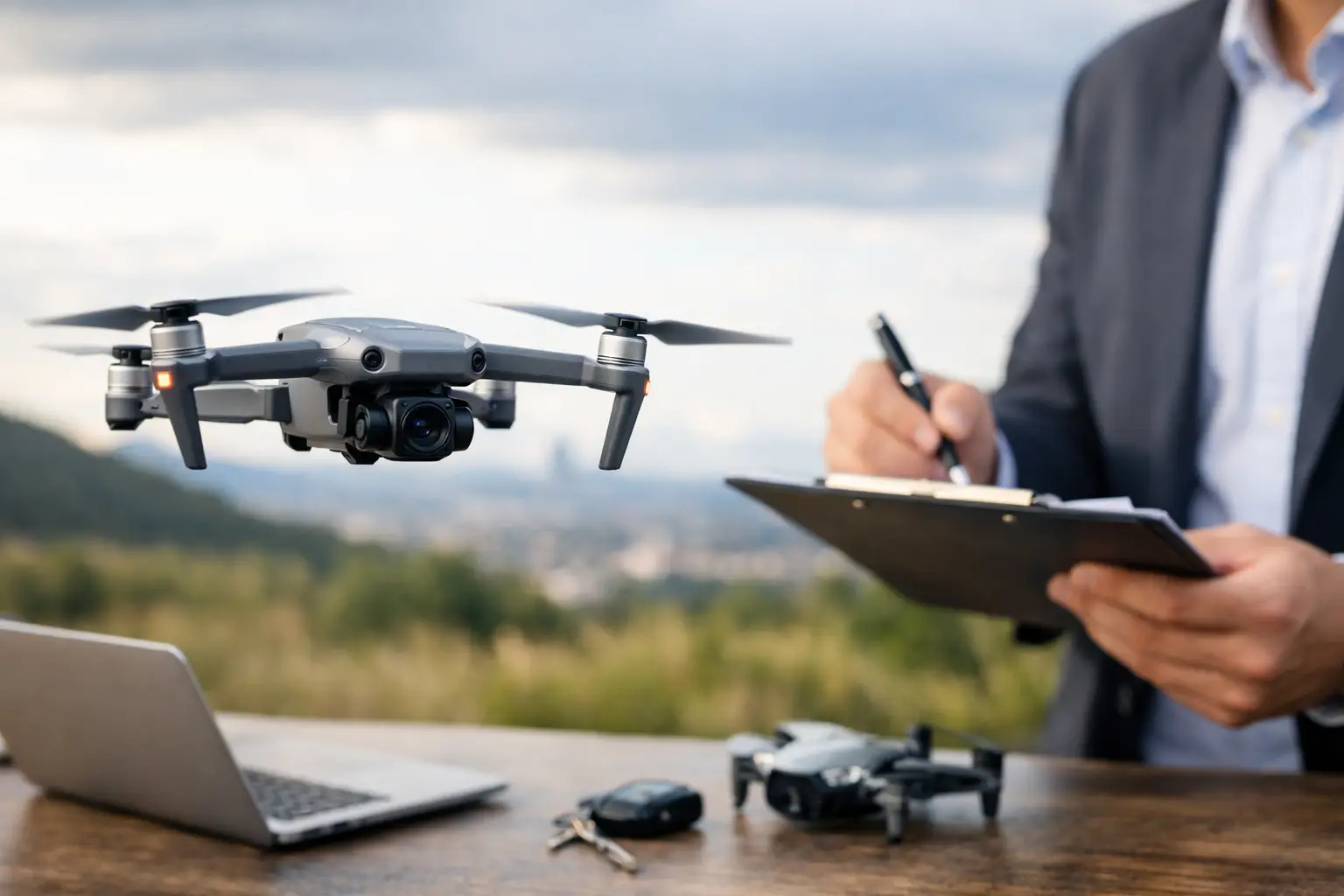
Drone Insurance UK explained: compare liability and hull cover, key exclusions and the checks hobbyists and professional pilots should make before flight.
A damaged drone can be repaired or replaced. A claim for damage to somebody else’s property, injury to a third party or disruption caused during a job can be far more costly. That is why Drone Insurance UK is not simply an add-on for expensive aircraft - it is a sensible part of planning how you fly, whether you are filming on holiday or operating a professional fleet.
The right policy depends on the aircraft, where and why it is flown, the equipment attached to it and the financial risk you are prepared to carry yourself. Start with the activity, not the drone’s purchase price.
https://quotes.coverdrone.com - please select your introducer as DARe-me Consulting Engineers Ltd t/a www.drone-sales.co.uk
Is drone insurance required in the UK?
Recreational pilots are not generally required to hold insurance solely because they fly a drone. However, public liability cover remains strongly advisable, particularly for heavier aircraft and flights near people, property or public areas where they are permitted.
For professional work, insurance requirements can apply under aviation rules, and clients, principal contractors or public-sector procurement teams will often require proof of appropriate cover before a flight takes place. A standard home insurance policy should never be assumed to cover drone flying, commercial use or liability arising from an aircraft.
Insurance does not make an unsuitable flight legal. You still need to follow the applicable Civil Aviation Authority rules, maintain the correct registration where required, assess the site and operate within the limits of your permissions and aircraft category.
The core cover in Drone Insurance UK policies
Public liability is the starting point for most pilots. It is designed to respond if your drone causes accidental injury to another person or accidental damage to third-party property. For a professional operator, the required limit may be set by a contract or site owner, so check this before pricing a job rather than after you have won it.
Hull cover protects the aircraft itself against insured damage, such as an impact, hard landing or accidental loss in circumstances defined by the policy. It is often most relevant for newer camera drones, enterprise platforms and aircraft carrying specialist payloads. The excess matters here: a low premium can be less attractive if the excess makes smaller claims impractical.
Many policies can also include theft, ground equipment, controllers, batteries and cameras or sensors. These are not automatic. A pilot with a compact consumer drone may only need liability and accidental damage, while a survey team may need cover for multiple airframes, payloads, cases and equipment left temporarily in a vehicle.
Professional indemnity is separate from public liability. It may be relevant where a client relies on your inspection report, survey output or operational advice and alleges financial loss. It does not automatically come with aviation cover, so operators providing data-led services should ask the insurer directly what is and is not included.
Check the exclusions before you compare premiums
The policy wording is where insurance becomes useful or disappointing. Read it with your real flying pattern in mind. A policy may limit flights outside the UK, exclude particular countries, impose security conditions for theft or restrict use to pilots specifically named on the policy.
Pay close attention to how the insurer defines commercial use. A paid property shoot is obvious, but content created for a client, promotional work, training, inspections and work undertaken as part of another paid service may all need to be declared. If an organisation owns the drone but several staff fly it, confirm whether the policy covers the business, the aircraft and all authorised pilots.
Other common pressure points include flights near water, hired equipment, batteries damaged in transit and claims arising from a failure to follow the manufacturer’s instructions. Do not declare a lower aircraft value to reduce the premium. If replacement cost matters to your operation, insure the equipment on a realistic basis and retain purchase records, serial numbers and photographs.
Choosing cover for your type of flying
For a hobbyist or content creator, public liability and accidental-damage cover are usually the practical priorities. Consider where you fly, the value of the aircraft and whether losing it would stop a planned trip or project. If you regularly travel, check overseas cover and the conditions for transporting batteries.
For professional pilots, the question is operational continuity. A grounded aircraft can delay a survey, inspection or media job, so look beyond the airframe. Consider spare equipment, hired replacement drones, payload cover and whether the policy supports the type of work you actually undertake.
Enterprise and public-sector teams should also consider fleet administration. One policy covering several aircraft can simplify renewals, but only if asset schedules, pilot records and operating activities are kept current. New payloads, additional pilots and a change from basic imaging to specialist work can all affect cover.
A practical insurance checklist before flying
Before committing to a policy, confirm the liability limit, excess, territorial limits, permitted uses and named-pilot conditions. Check whether accessories, batteries, payloads and hired equipment are separately listed. Ask how claims affect future premiums and what evidence will be needed after an incident.
It is also worth aligning insurance with the rest of your ownership plan. Keep maintenance records, inspect batteries and propellers, and use a case that protects the aircraft in transit. If damage does occur, a specialist repair assessment can establish whether repair is the sensible route or whether replacement is more economical. Drone-Sales can support owners with repairs, maintenance and trade-in options alongside their next equipment decision.
The strongest policy is one that reflects your actual flying, not the cheapest-looking quote. Declare the work you do, protect the equipment you rely on and review the cover whenever your drone operation changes.